Developing an anti-corruption education system and fostering an environment of integrity and transparency at the university
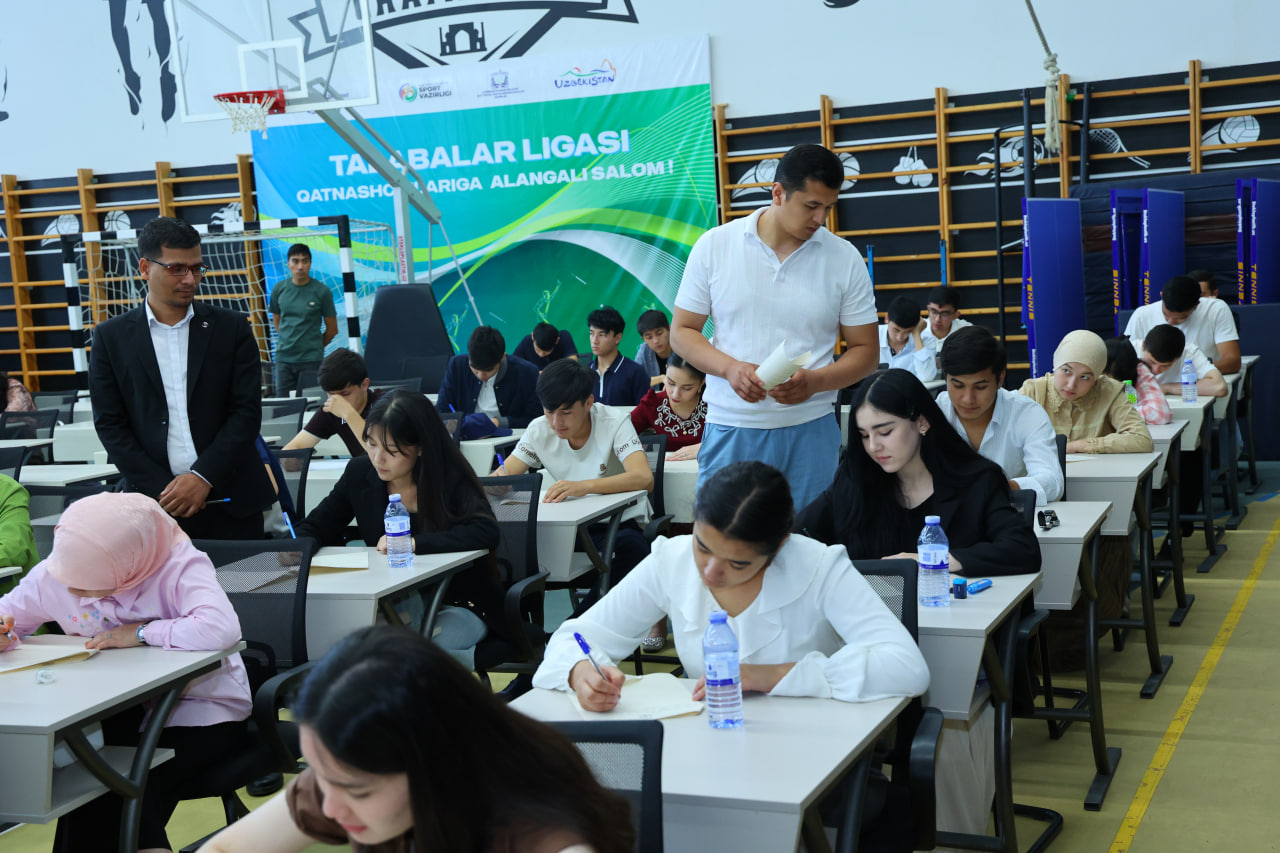
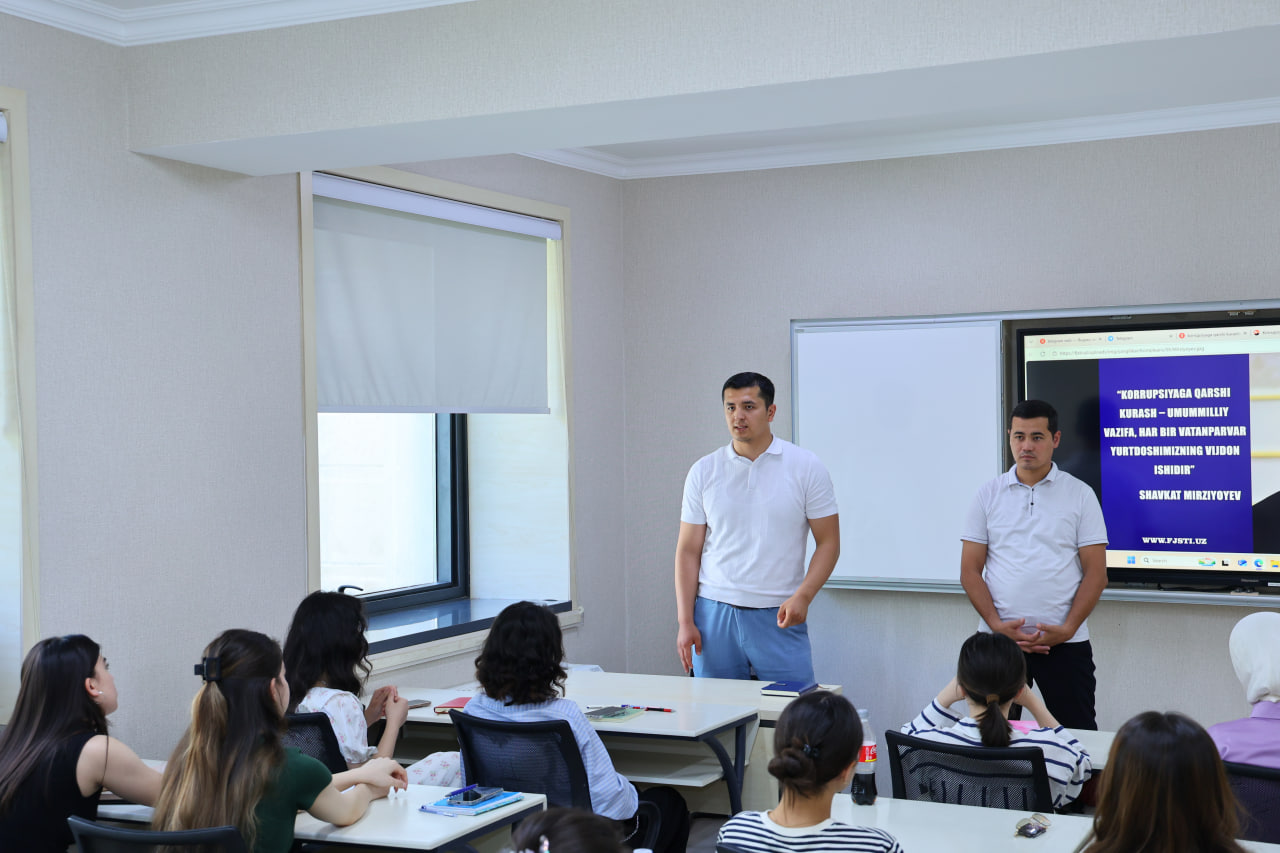
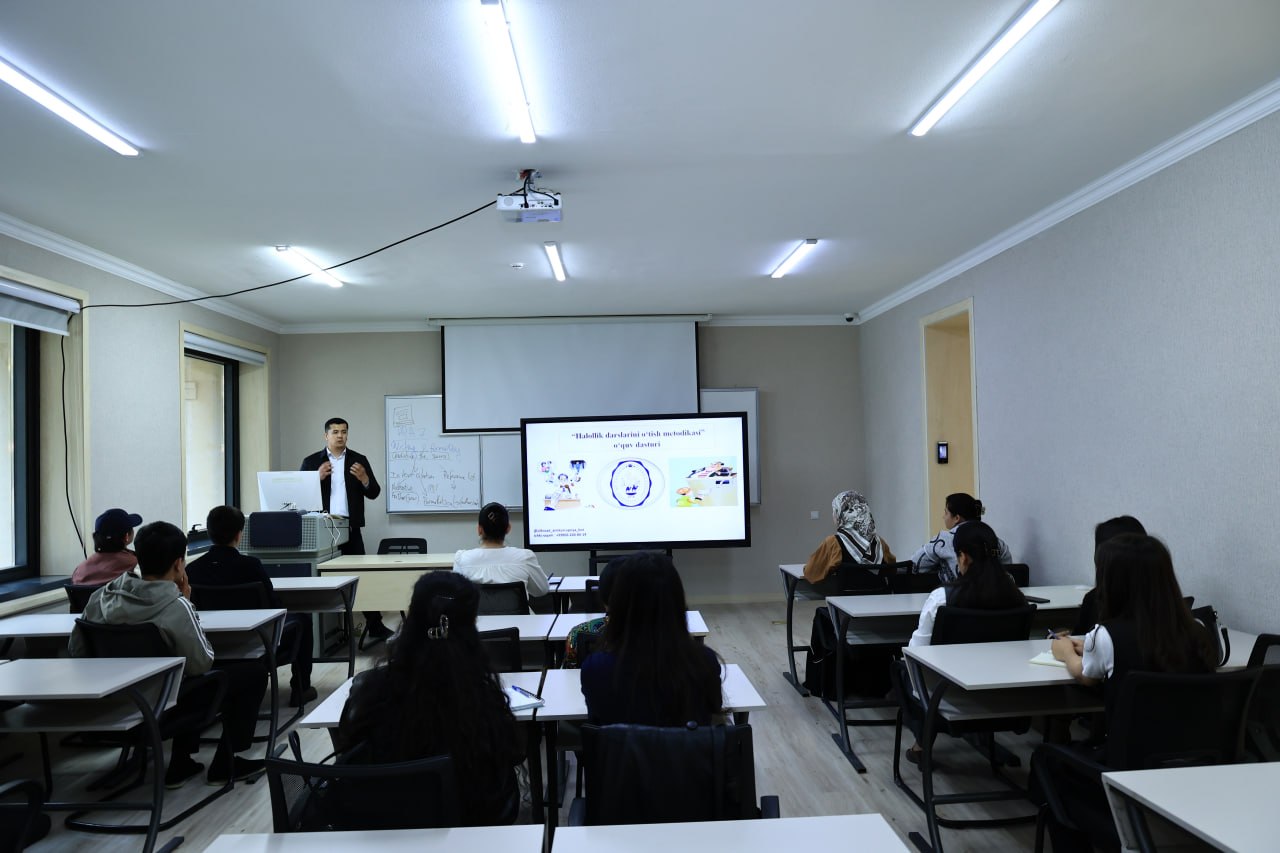
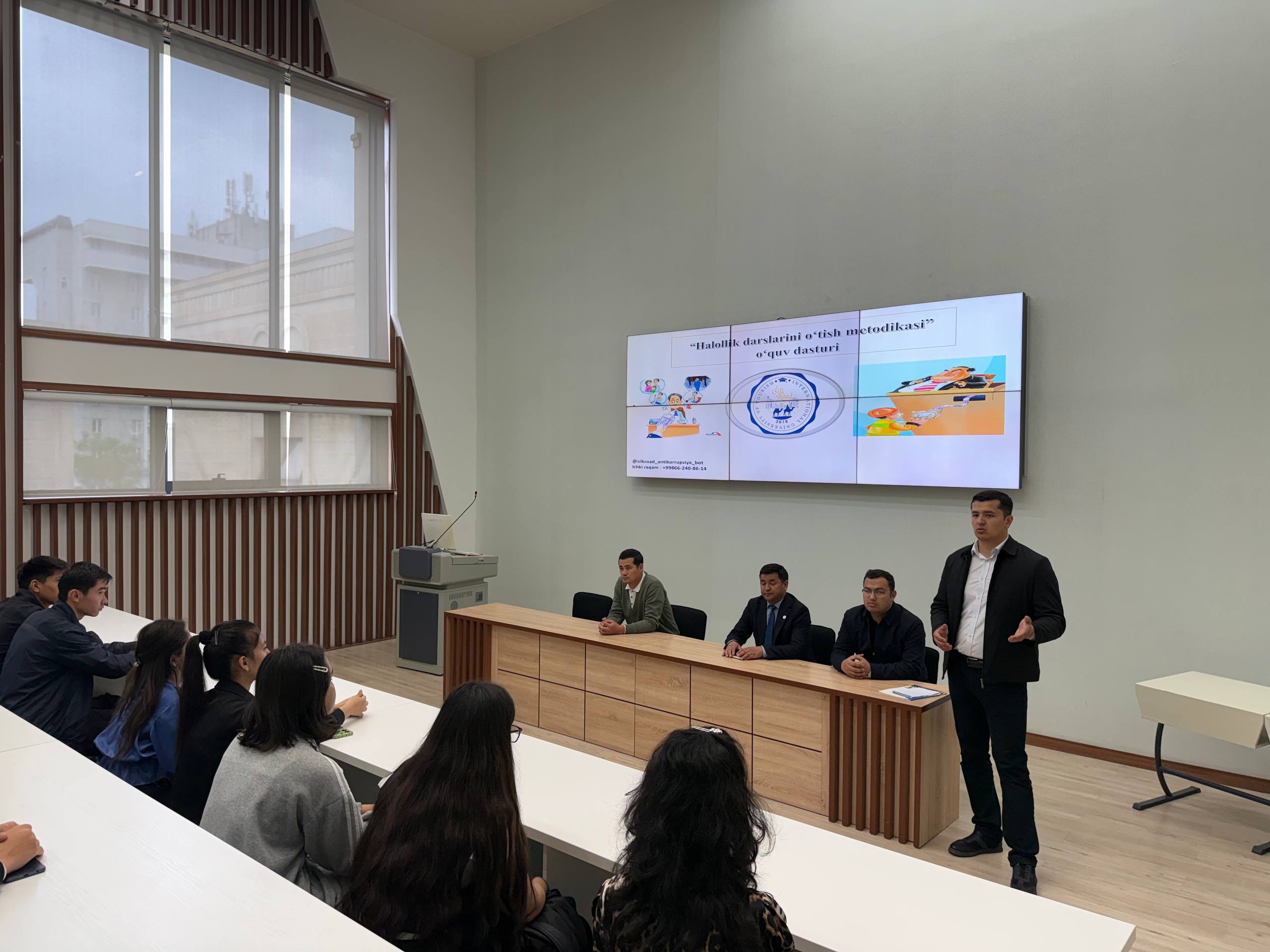
Systematic and consistent efforts are being carried out to create a healthy moral and ethical environment among university staff and students, widely promote the principles of integrity and transparency, and establish an uncompromising attitude toward corruption. In this direction, special training courses such as “Fostering Integrity Among Youth,” “Methodology of Teaching Integrity Lessons,” and “The Role of Education in Preventing Corruption” have been developed and are regularly conducted based on an approved schedule, covering all stages of the educational process.
Within these courses, modern pedagogical approaches, interactive methods, practical exercises, and discussion platforms are widely utilized. Participants are provided with comprehensive information about the essence of integrity, its role in societal development, and the negative consequences of corruption. At the same time, particular attention is given to developing independent thinking, critical analysis, and decision-making skills in problematic situations through real-life examples, analytical cases, and case studies.
In the educational process, not only theoretical knowledge but also the development of practical skills is defined as a priority task. In particular, for teaching staff, within the framework of the course “Methodology of Teaching Integrity Lessons,” effective organization of lessons, innovative methods of instilling integrity in youth, communicative approaches, and mechanisms for conducting educational work are thoroughly explained. As a result, the professional capacity of teachers is increasing, and the effectiveness of their lessons and educational activities is significantly improving.
As a result of these measures, values such as integrity, justice, and responsibility are being strengthened within the university community, the legal awareness and culture of youth are rising, and a firm civic stance against corruption is being formed. A healthy competitive environment is emerging among students, and adherence to the principles of transparency and fairness in the learning process is increasing.
In the future, it is planned to further expand and improve activities in this area by enriching the content of training courses, widely introducing modern digital technologies, studying and implementing advanced international practices, and increasing coverage. At the same time, continuous monitoring and analytical work aimed at strengthening the environment of integrity at the university will be carried out, and prompt and effective measures will be taken to address identified issues.